
how we work
We start with a 1-hour free consultation and discuss your basic needs, the conditions of the project site and talk through initial questions.
We put together proportional calculations and dimensions best suited for your project along with a schematic design package for review and discussion.
Once we come to a layout for the project, we begin laying out the floor plan, elevations and design drawings and coordinate as needed on pricing of the projects as well as relevant logistics. We work on an hourly basis and can discuss rates and estimated hours for each leg of the process with you ahead of time.
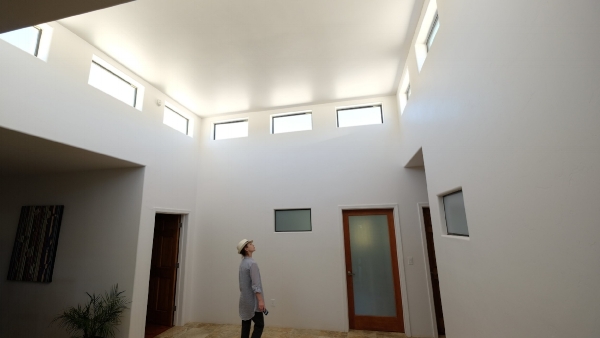
Interior of a Vaastu residence designed and built by Dr. Jessie Mercay and AUM S&T students.
“We shape our buildings, and afterwards, our buildings shape us”
History and Lineage
The source of Vaastu architectural knowledge stretches back thousands of years. Some of the earliest structures built according to these principles were devoted to worshiping specific qualities of nature and intended to nourish the wellbeing of entire communities.
Those who carried this classical art and science of building were called Sthapatis. Sthapatis were master builders, carpenters, sculptors and designers. They had a well rounded education of maths, sciences, and the 5 arts (poetry, music, dance, sculpture and architecture) and passed these building principles from generation to generation through a line of families who protected the purity of the knowledge.
With its roots firmly based in southern India, the information was, to an extent, protected from foreign influence and rule. Below you will see several historical examples that find their roots in this lineage.
In offering our service to others, it is our intention to respect the purity of the knowledge and support its resurgance so that all can enjoy the benefits of inhabiting authentic Vaastu structures.
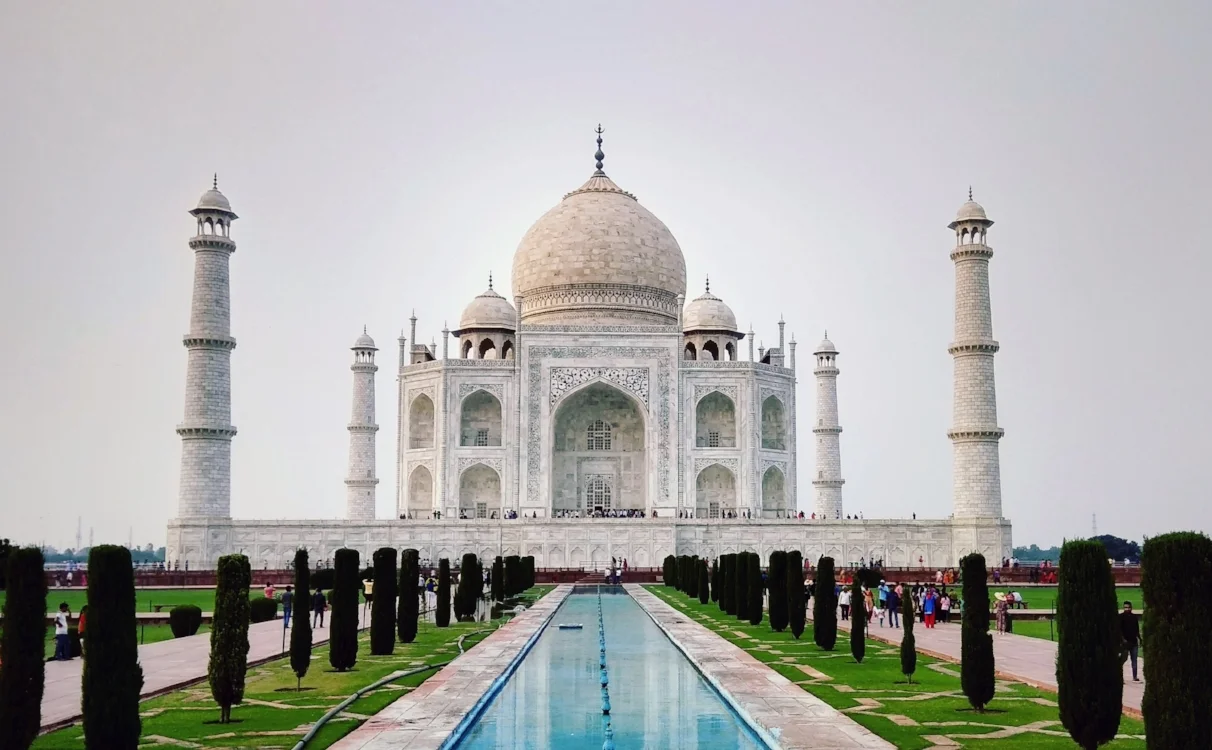
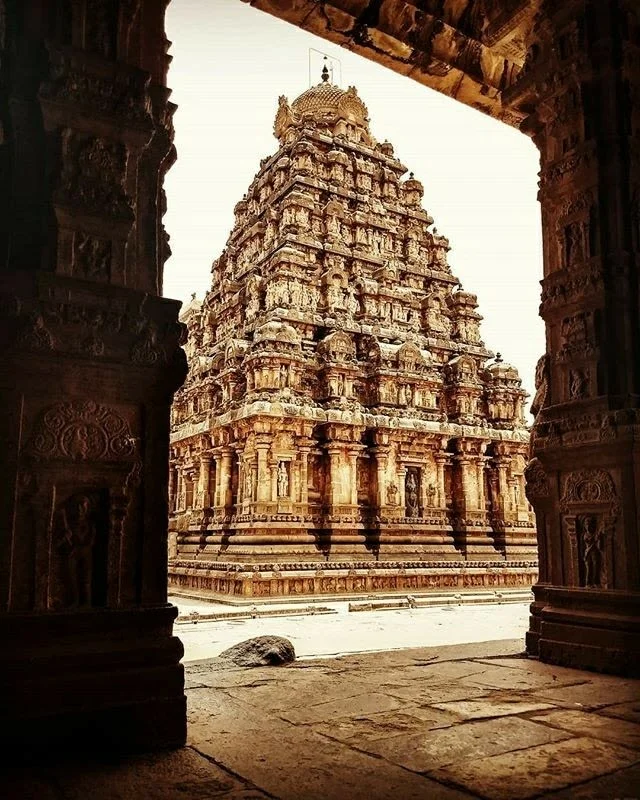
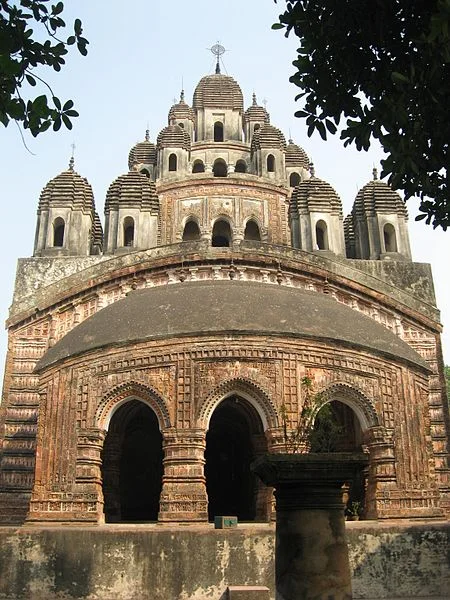
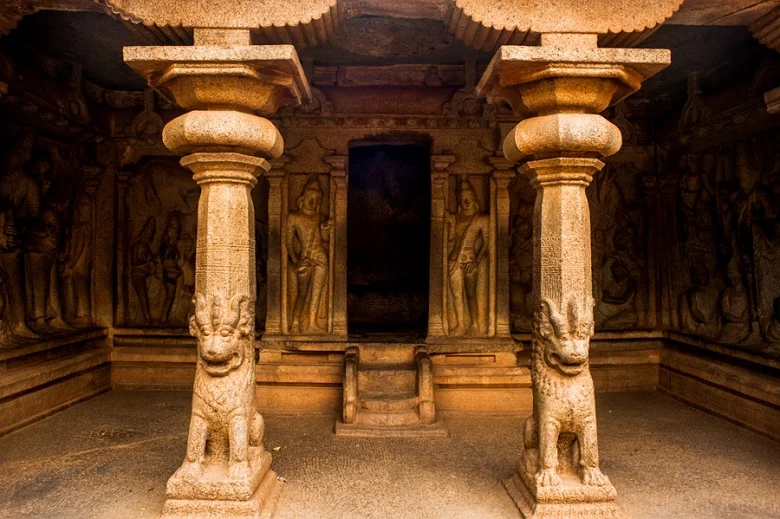
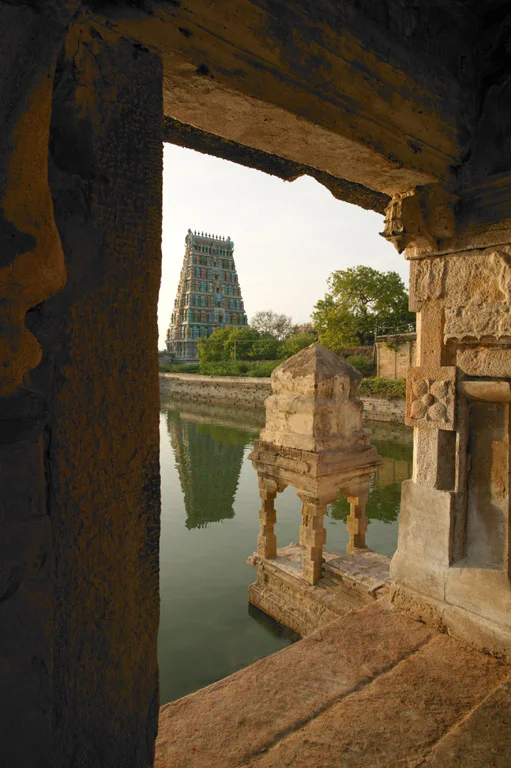
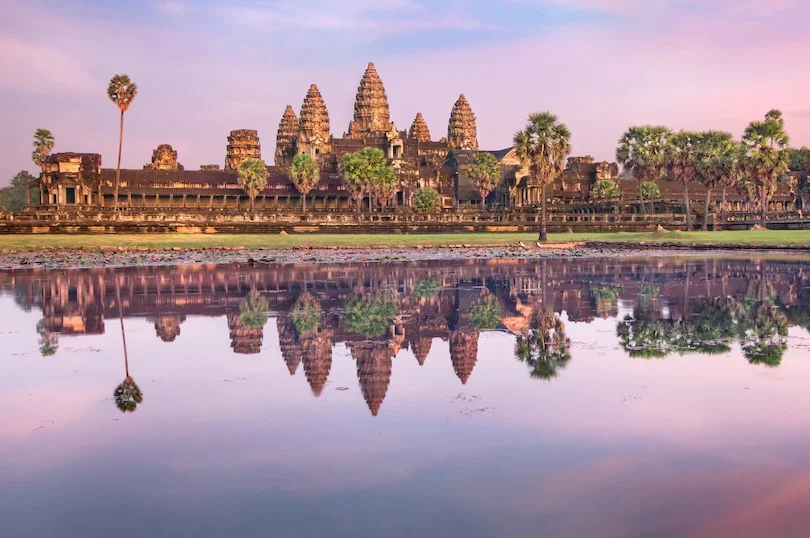
From top: 1. Taj Mahal 2. Airavateswarar Temple 3. Chandraji Temple 4. Mahabalipuram 5. Uthirakosamangai Temple 6. Angkor Wat
Our Teachers
Dr. V. Ganapati Sthapati
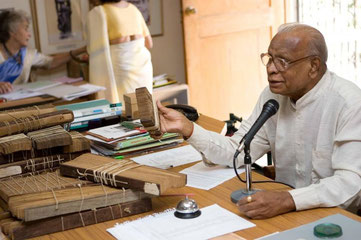
Born in the year 1927, at Pillayarpatti, a village near Karaikudi, Tamilnadu, Dr. V. Ganapati Sthapati comes from an illustrious family of temple architects and sculptors. His family lineage stretches back over one hundred decades including the sthapatis who created the great Brihadeeswara Temple of Tanjore, the treasure house of Indian art and architecture.
Son of Sri Vaidyanatha Sthapati, a renowned sculptor and Sanskrit scholar, he has made remarkable contributions to the field of art and architecture. Dr. V. Ganapati Sthapati renowned sthapati and Vaastu scholar. From the 1980s, Sthapati campaigned to restore and elevate the status of traditional architecture in modern Indian society, by affiliating courses to the University of Madras and offering degree courses, bringing about a revival of Vastu Shastra.
After retirement from government service, he established the Vaastu Vedic Trust and the Vaastu Vedic Research Foundation, aimed at research, development, and globalization of Vaastu Shastra.
In 2010, Dr. Ganpapati Sthapati established AUMS&T and put his most trusted student, Dr. Jessie Mercay to lead the university and curriculum.
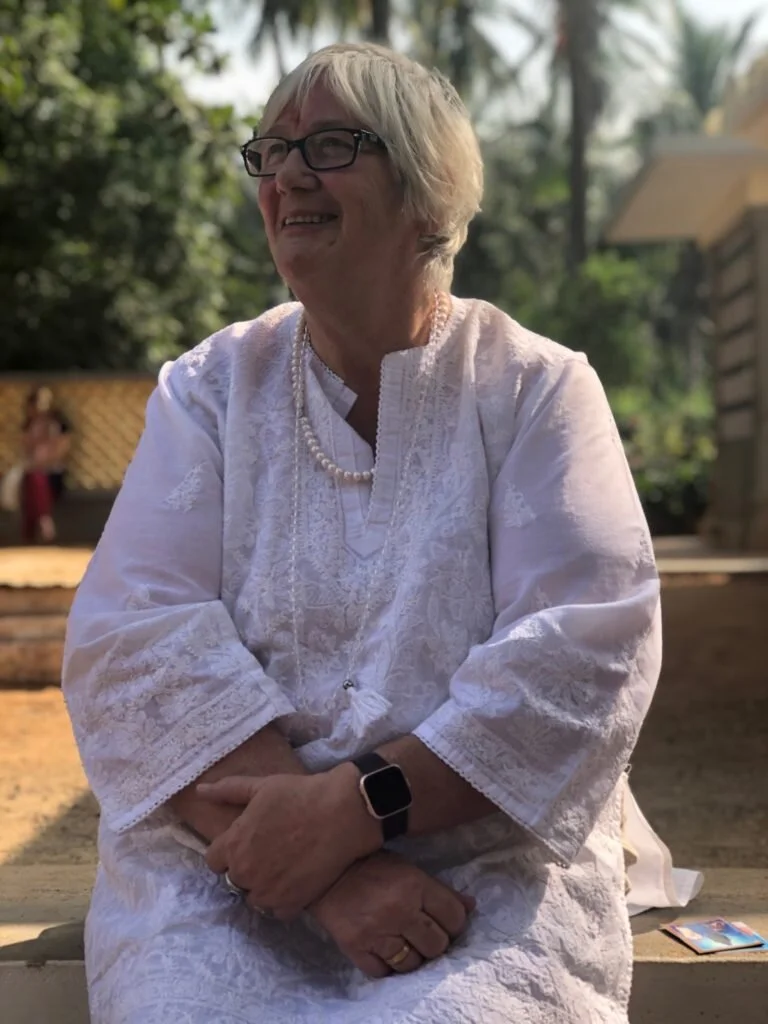
Vasthu Rathna Dr. Jessie Mayan Mercay
Dr. Jessie Mercay is the Chancellor of The American University of Mayonic Science and Technology LTD. In association with the Dr. V. Ganapati Sthapati, she developed a curriculum for education and training an international body of students in Mayonic Science and Technology, Vaastu Shastras, and Building Architecture of Sthapatya Veda.